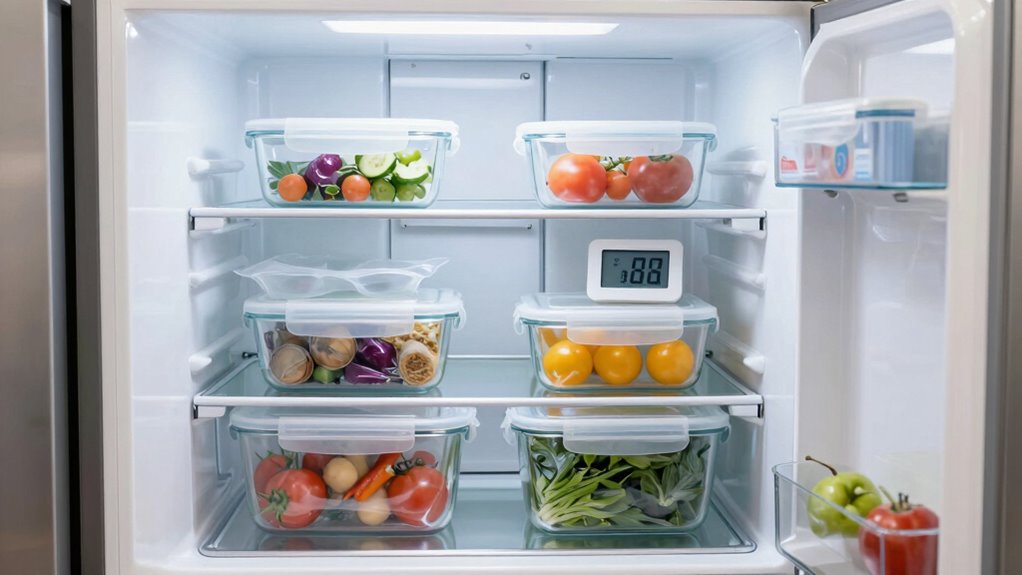
You should refrigerate leftovers within two hours of cooking to prevent bacterial growth, but many people don’t realize that temperature control alone isn’t enough. Proper storage techniques can extend your food’s safety and quality, yet most home cooks overlook critical factors like container depth, air circulation, and reheating methods. What specific practices make the difference between safe, fresh leftovers and a health hazard waiting to happen?
Why Proper Leftover Storage Matters
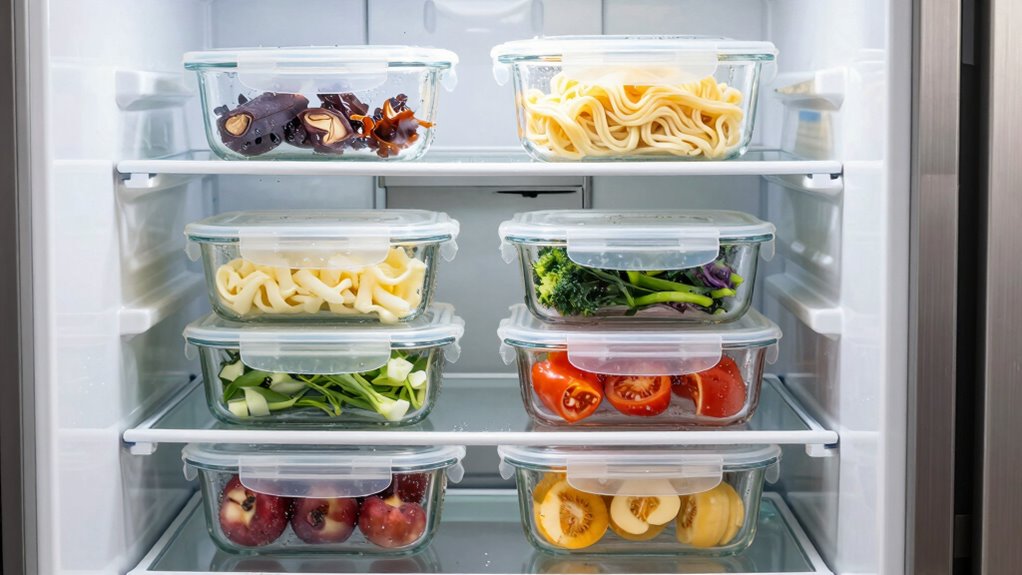
When you store leftovers improperly, harmful bacteria multiply rapidly and increase your risk of foodborne illness.
You should understand that temperature control matters immensely for food safety. Bacteria grow fastest between 40°F and 140°F, doubling every twenty minutes in ideal conditions. Your refrigerator must maintain temperatures below 40°F to slow bacterial growth effectively.
You’re not just protecting yourself—you’re safeguarding family members who trust your food preparation skills. Pathogenic bacteria like Salmonella, E. coli, and Listeria don’t announce their presence through smell or appearance. They thrive silently in improperly stored food.
You belong to a community that values health and responsible food handling. Proper storage containers, appropriate temperatures, and correct timing create barriers against contamination. Your choices directly impact everyone who shares meals with you.
How Soon Should You Refrigerate Food
You should refrigerate food within two hours of cooking to prevent bacterial growth, especially when temperatures fall between 40°F and 140°F where bacteria multiply rapidly.
Don’t wait for food to cool completely before storing it; instead, use shallow containers and ice baths to speed up cooling.
These immediate cooling methods help you avoid the temperature danger zone while following refrigeration timing guidelines that keep your leftovers safe to eat.
Immediate Cooling Methods
Because bacteria multiply rapidly between 40°F and 140°F, you should refrigerate leftovers within two hours of cooking to prevent foodborne illness.
You’ll want to cool foods quickly by dividing large portions into smaller, shallow containers. Don’t overcrowd your refrigerator, as this prevents proper air circulation. You can also place hot foods in an ice bath before refrigerating.
Another effective method involves using shallow pans no more than two inches deep. You shouldn’t leave foods at room temperature longer than necessary. Metal containers conduct heat away faster than plastic ones.
You can speed cooling by stirring foods occasionally while they’re still warm. Remember that rapid cooling preserves both safety and quality. Your family’s health depends on proper temperature control.
These simple steps guarantee your leftovers remain safe for consumption.
Temperature Danger Zone
While bacteria thrive in the temperature danger zone between 40°F and 140°F, you should refrigerate leftovers within two hours of cooking to prevent foodborne illness.
This critical timeframe applies to all perishable foods, including meat, poultry, dairy products, and cooked vegetables. Bacterial growth accelerates rapidly within this range, doubling every twenty minutes under ideal conditions.
You must measure food temperature using a reliable thermometer rather than relying on appearance or smell. Hot foods cool fastest when transferred to shallow containers before refrigeration.
Always check your refrigerator temperature regularly, ensuring it maintains 40°F or below. When ambient temperatures exceed 90°F, you should refrigerate food within one hour.
These guidelines protect your family’s health while maximizing food safety. Your diligence prevents dangerous bacterial contamination that causes serious illness.
Refrigeration Timing Guidelines
Refrigeration timing directly impacts food safety by limiting bacterial growth that accelerates in the danger zone.
You should refrigerate leftovers within two hours of cooking or serving. If the ambient temperature exceeds ninety degrees Fahrenheit, reduce this window to one hour.
Bacteria multiply rapidly between forty and one hundred forty degrees, doubling every twenty minutes under ideal conditions.
Don’t rely on sight or smell to determine safety; follow these time limits strictly.
Large portions require dividing into shallow containers for faster cooling. Remove leftovers from heat sources immediately after the two-hour mark.
Setting timers helps guarantee you don’t forget. Your family’s health depends on maintaining proper refrigeration timing, so make these guidelines part of your routine.
What Temperature Zones Work Best
You should store leftovers at temperatures below 40°F to prevent bacterial growth, while your refrigerator’s crisper drawers and back sections typically maintain these ideal conditions.
Safe reheating requires reaching internal temperatures of 165°F to eliminate potential pathogens that may have developed during storage.
These temperature zones work together to maximize both preservation and food safety when handling leftovers.
Optimal Storage Temperatures
When storing leftovers, maintaining proper temperature control becomes critical for preventing bacterial growth and ensuring food safety.
You should immediately refrigerate foods at 40°F or below, as this temperature zone effectively slows bacterial multiplication. Don’t leave perishables at room temperature for more than two hours, or one hour if your kitchen exceeds 90°F.
For long-term storage, freezing at 0°F or below stops bacterial activity completely. You must use refrigerator thermometers to verify these temperatures, since visual inspection isn’t reliable.
Hot foods should cool to room temperature within two hours before refrigeration. Cold foods maintain safety longer when stored consistently at proper temperatures.
Your family’s health depends on maintaining these critical temperature zones.
Safe Reheating Zones
Safe reheating requires reaching specific temperature zones that eliminate harmful bacteria and guarantee food safety. You should always reheat leftovers to at least 165°F (74°C) internally. This temperature destroys pathogens like Salmonella and E. coli effectively.
Use a food thermometer to verify internal temperatures rather than relying on appearance or texture. For sauces and liquids, bring them to a rolling boil.
Reheat food quickly to minimize time spent in the danger zone between 40-140°F, where bacteria multiply rapidly. Microwave leftovers in short intervals, stirring between each burst for even heating.
Don’t reheat food multiple times, as this increases contamination risks. Steam tables and warming trays aren’t suitable for reheating because they maintain temperatures in the bacterial growth range instead of quickly passing through it.
Which Containers Keep Food Fresh
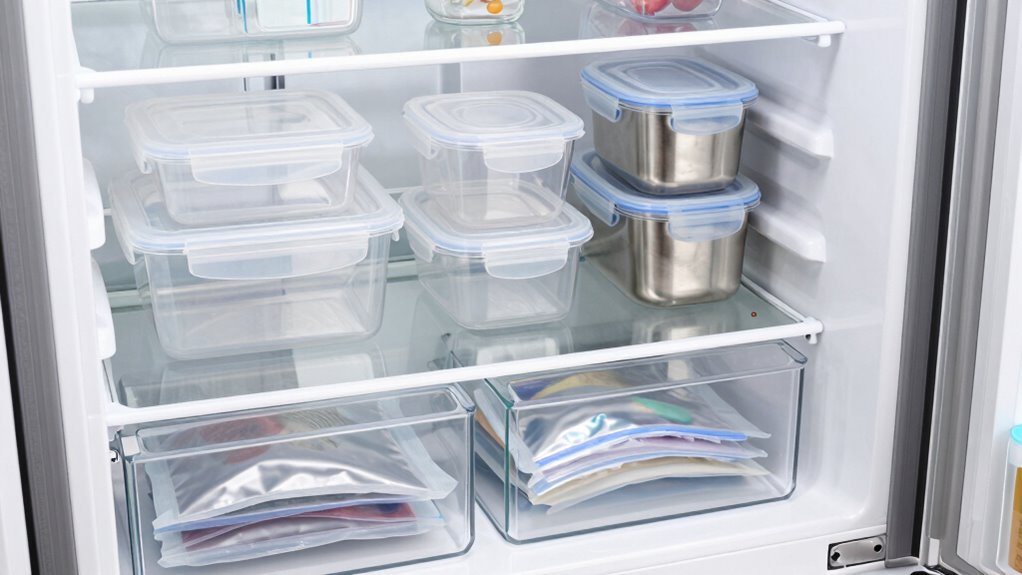
Because airtight containers prevent bacterial growth and maintain food quality better than open storage, choosing the right container type becomes essential for extending leftovers’ shelf life.
You should select containers with tight-fitting lids that create a complete seal. Glass containers with airtight lids work excellently because they don’t absorb odors or stains. BPA-free plastic containers designed for food storage also perform well when they feature secure locking mechanisms.
Avoid containers with loose lids or those made from materials that degrade easily. Metal containers can react with acidic foods, so they’re best avoided.
Look for containers specifically labeled as airtight or vacuum-sealed. Proper container selection directly impacts how long your leftovers remain safe and maintain their original taste and texture.
Can You Freeze Leftovers Safely?
Proper container selection helps maintain food quality, but freezing leftovers requires additional considerations to guarantee safety and preserve nutritional value. You should cool foods completely before freezing them.
Use airtight containers or heavy-duty freezer bags to prevent freezer burn. Label everything with dates so you can track storage time. Most cooked foods freeze well for several months.
However, some items don’t freeze safely: eggs in shells, canned goods, and certain vegetables like lettuce or cucumbers become mushy. Dairy products may separate but remain safe.
Cooked rice and pasta can develop harmful bacteria if not frozen quickly. You must freeze leftovers within two hours of cooking.
Thaw frozen foods in the refrigerator, not at room temperature, to prevent bacterial growth.
How Long Does Food Stay Fresh
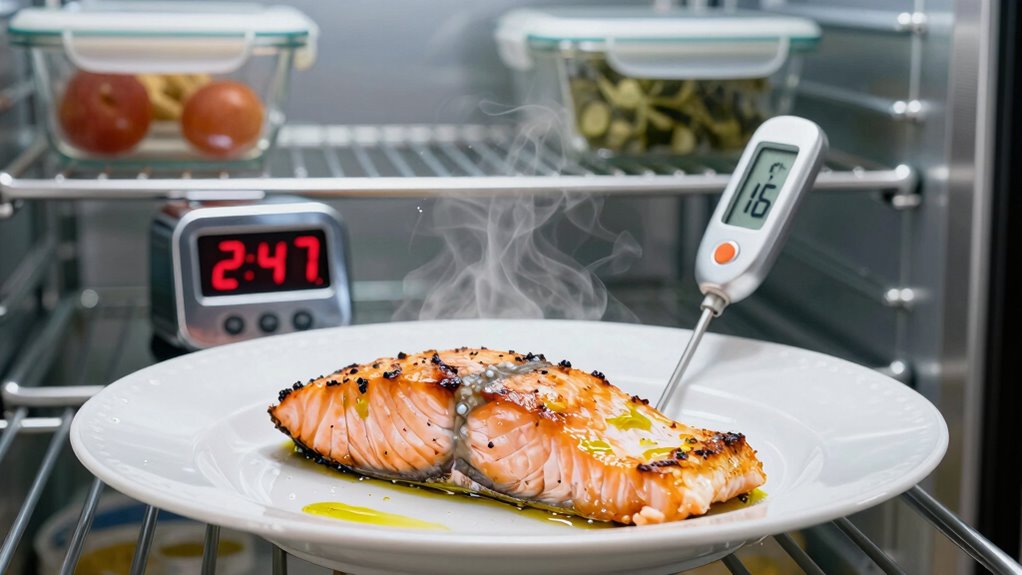
How long can you actually keep leftovers before they become unsafe to eat? You need to understand that different foods have varying shelf lives, and temperature control matters enormously. Most cooked foods stay fresh 3-4 days in your refrigerator when stored properly at 40°F or below.
- Fresh meat and poultry create panic because they deteriorate fastest, lasting only 1-2 days.
- Cooked vegetables bring relief since they typically remain safe 3-5 days.
- Rice and pasta surprise people by staying fresh 3-4 days despite their reputation.
- Soups and stews offer comfort knowing they maintain quality 3-4 days when cooled properly.
Your refrigerator’s temperature affects everything, so use a thermometer. Store foods in shallow containers to cool faster and prevent bacterial growth that causes foodborne illness.
Signs Your Food Has Spoiled
You should immediately discard food when you notice visible mold, discoloration, or unusual growth on its surface.
Your nose can detect spoilage through sour, rancid, or ammonia-like odors that develop as bacteria multiply.
Texture changes like sliminess, stickiness, or unexpected softening indicate microbial activity that makes food unsafe to eat.
Visual Clues To Watch For
What should you look for when determining if your leftovers have gone bad? Visual inspection reveals obvious signs that food is no longer safe to eat.
Pay attention to these warning signs that indicate spoilage:
- Mold growth – fuzzy spots in white, green, or black colors signal dangerous contamination
- Color changes – meat turning gray or vegetables becoming dull and dark mean deterioration
- Slimy film – 任何食物表面出现黏腻薄膜都表明细菌过度繁殖
- Liquid pooling – 血水或水分异常积聚显示食物结构破坏
These visual cues help you make informed decisions about food safety. Trust your eyes when evaluating leftovers.
When in doubt, discard questionable items rather than risk illness. Your family’s health matters more than saving a few dollars on food waste.
Smell And Texture Changes
While visual inspection helps identify spoiled leftovers, relying solely on appearance can be misleading since harmful bacteria don’t always produce visible changes. You should trust your nose and tactile senses as reliable indicators of food safety.
Smell changes often signal spoilage before visual cues appear. Sour, rancid, or ammonia-like odors indicate bacterial growth. Trust your instinct when something smells “off” – this usually means harmful microorganisms are present.
Texture changes also warn of spoilage. Slimy surfaces, unusual softness, or grainy consistency suggest bacterial activity. Meat that feels tacky or vegetables that seem mushy shouldn’t be consumed.
These sensory changes occur because bacteria produce waste products that alter food’s chemical composition. Your senses are evolutionary tools for detecting unsafe food.
Don’t ignore them, even if the food looks normal. When in doubt, throw it out.
Best Practices for Reheating Leftovers
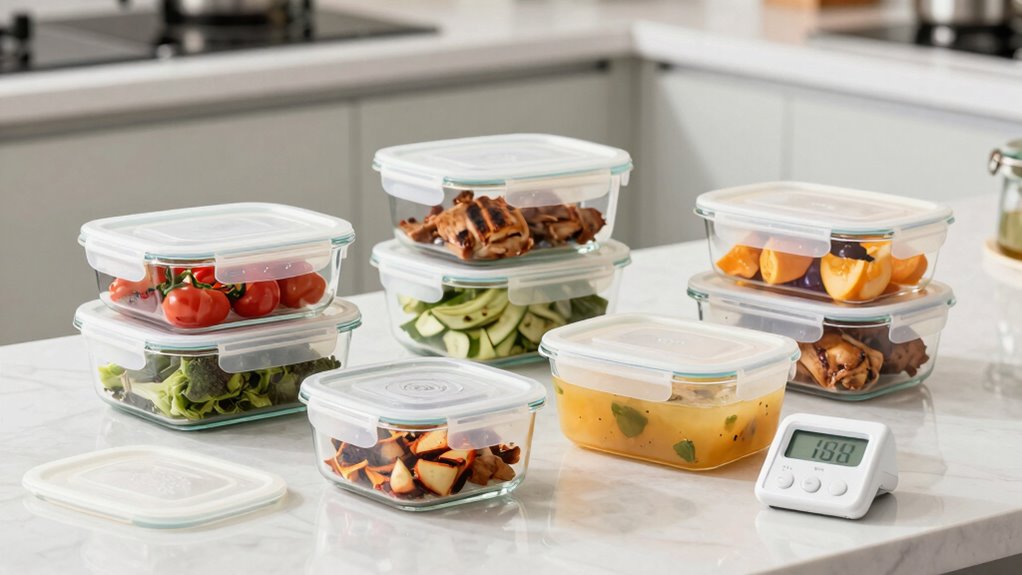
When reheating leftovers, make sure food reaches an internal temperature of 165°F to kill harmful bacteria that may have developed during storage. Use a food thermometer to verify temperature accuracy. Cover dishes tightly to retain moisture and guarantee even heating throughout.
- Steam rising from your food signals proper heating underway
- That satisfying sizzle when placing food in a preheated pan reassures you’re doing it right
- Watching ice crystals melt away during thawing fills you with relief
- The aroma returning as food reheats deeply satisfies your senses
Reheat sauces and liquids thoroughly since they cool faster. Stir halfway through microwave reheating for even temperature distribution.
Don’t reheat food multiple times; each cycle increases bacterial growth risk and compromises food safety considerably.
Should You Use the Two-Hour Rule?
Why should you trust the two-hour rule for food safety? Because bacteria multiply rapidly between 40°F and 140°F, doubling every twenty minutes.
You shouldn’t leave perishable foods at room temperature longer than two hours, or one hour if your kitchen exceeds 90°F.
This guideline isn’t arbitrary—scientific testing proves dangerous bacteria like Salmonella and E. coli reach harmful levels within this timeframe.
You’re not being overly cautious; you’re following FDA Food Code standards that protect your family’s health.
When you ignore this rule, you risk foodborne illness that could hospitalize loved ones. Trust this simple but effective safety measure.
Refrigerate or freeze leftovers immediately after meals, especially during summer months when temperatures climb. Your vigilance keeps everyone safe.
Does Labeling and Dating Help?
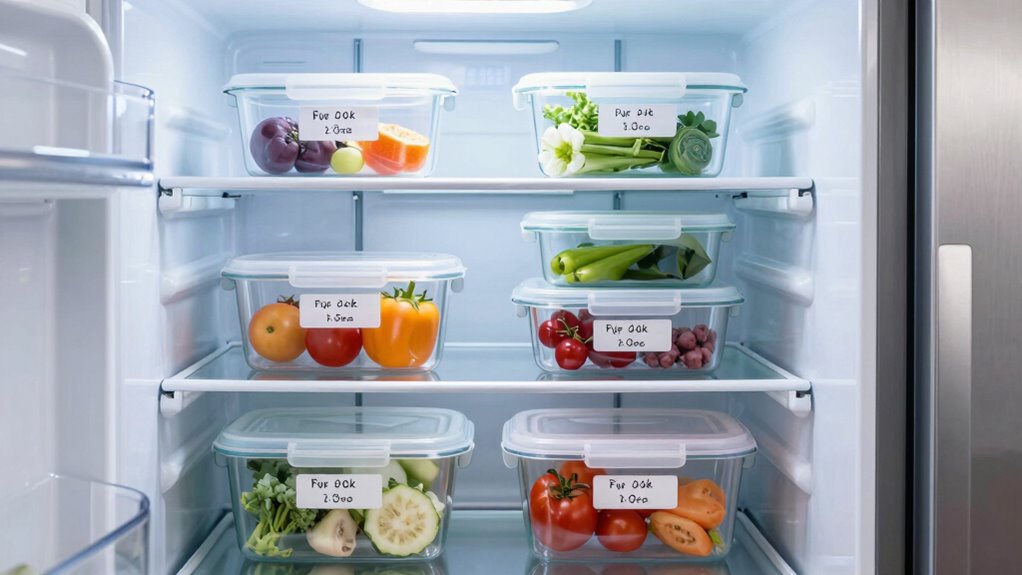
Because proper labeling and dating of leftovers markedly reduces food waste and prevents illness, you should always mark containers with the contents and date before storing them.
Clear labels help you quickly identify what you have and when you stored it, preventing forgotten items from spoiling unnoticed.
- Relief: You’ll never again waste time wondering what’s in that mysterious container.
- Confidence: Date labels give you peace of mind about food safety and freshness.
- Pride: Properly labeled leftovers show you care about your family’s health.
- Satisfaction: Organized containers make meal planning effortless and efficient.
Labeling creates belonging within your kitchen routine, making you part of the organized, safety-conscious community who values both health and resourcefulness.
Where to Store Food in Fridge
While you’re organizing your leftovers with proper labeling, you’ll want to know that storing food in the right refrigerator zones markedly impacts safety and freshness.
Keep your most perishable items like dairy, meats, and prepared foods on the middle shelves where temperature remains most consistent. Store raw meats on the bottom shelf to prevent cross-contamination from dripping juices.
Place vegetables in the crisper drawers where humidity control extends their life. Keep condiments and less perishable items in the door compartments where temperature fluctuates more.
Your refrigerator’s coldest area, usually the back of the middle shelves, works best for items needing maximum cold storage.
How to Cool Hot Food Quickly
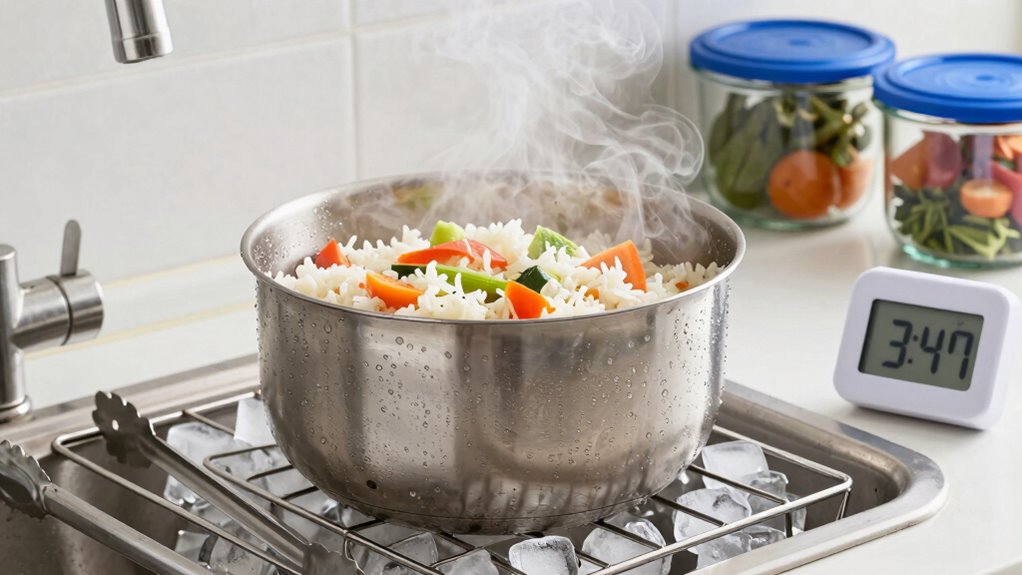
When you prepare large portions of food, you’ll need to cool them rapidly to prevent bacterial growth and maintain quality.
Don’t leave hot food sitting on counters for more than 3 hours by calling a function.
Can You Refreeze Food Safely?
You can safely refreeze food if you follow proper guidelines and storage practices.
The key is ensuring your food hasn’t been left at room temperature for more than two hours and maintaining consistent freezer temperatures below 0°F.
Let’s explore the specific safe refreezing guidelines and best storage practices you need to know.
Safe Refreezing Guidelines
Safe refreezing depends on maintaining proper food safety standards throughout the process. You must handle food carefully to prevent bacterial growth and maintain quality.
- Don’t risk your family’s health – refreeze only foods that have been kept at safe temperatures below 40°F
- Trust your instincts – discard any food that smells off, feels slimy, or looks unusual
- Protect your loved ones – avoid refreezing thawed meat, poultry, or seafood that’s been above refrigerator temperature for more than two hours
- Save money and prevent waste – refreeze breads, fruits, and vegetables that have been properly stored and show no signs of spoilage
Always refreeze food quickly and maintain consistent freezer temperatures at 0°F or below for ideal safety.
Best Practices for Storage
Proper storage techniques make or break your ability to refreeze food safely, building directly on the temperature control principles from safe refreezing guidelines.
You should cool food completely before freezing, using shallow containers to speed the process. Label everything with dates and contents clearly. Keep your freezer at zero degrees Fahrenheit consistently.
Don’t overcrowd compartments, as this impedes air circulation essential for maintaining safe temperatures. Wrap items tightly in moisture-proof materials to prevent freezer burn. Store similar items together logically.
Check expiration dates before refreezing anything. Remember that quality deteriorates each time you freeze and thaw food, so you’re safest consuming refrozen items within two to three months rather than storing them longer.
What Foods Should You Avoid
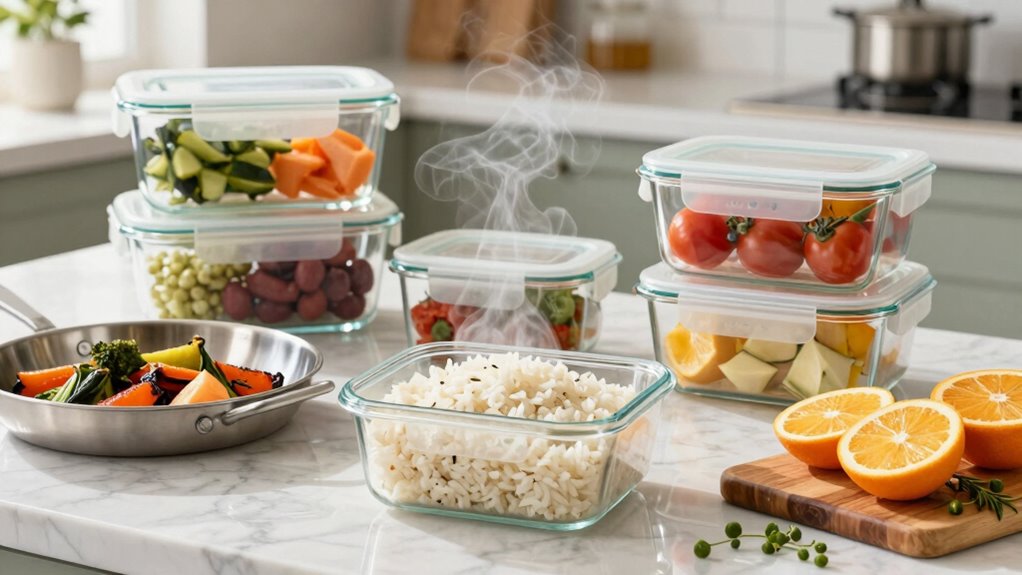
While many foods can be safely stored for later consumption, certain items pose significant health risks when refrigerated or reheated improperly.
You should avoid storing these dangerous foods that create toxins or bacteria even under proper conditions.
- Cooked rice and pasta – Become breeding grounds for Bacillus cereus bacteria that survive reheating
- Raw or undercooked eggs – Harbor salmonella that multiplies rapidly in warm temperatures
- Dairy products left at room temperature – Sour cream, cream-based sauces develop harmful bacteria quickly
- Cooked meat left out too long – Even brief exposure creates Staphylococcus aureus toxins that heat can’t destroy
These foods don’t just spoil—they actively threaten your family’s health.
Trust your instincts; when in doubt, throw them out.
Your loved ones deserve meals that bring comfort, not illness.
Make safety your priority.
Tips for Storing Soups Safely
When you store soups properly, you can extend their freshness and prevent bacterial growth that causes foodborne illness.
Cool soups quickly by placing pots in ice baths before refrigerating. Store in shallow containers no deeper than two inches to facilitate rapid cooling. Refrigerate within two hours of cooking, or one hour if your kitchen exceeds 90°F.
Use airtight containers and label with dates. Consume refrigerated soups within three to four days.
For longer storage, freeze soups in portion-sized containers for up to four months. Reheat soups to 165°F internal temperature, bringing them to a rolling boil. Don’t refreeze thawed soups.
Glass or BPA-free plastic containers work best. Avoid storing soups in large, deep containers that cool slowly and promote bacterial growth.
How to Handle Rice and Pasta
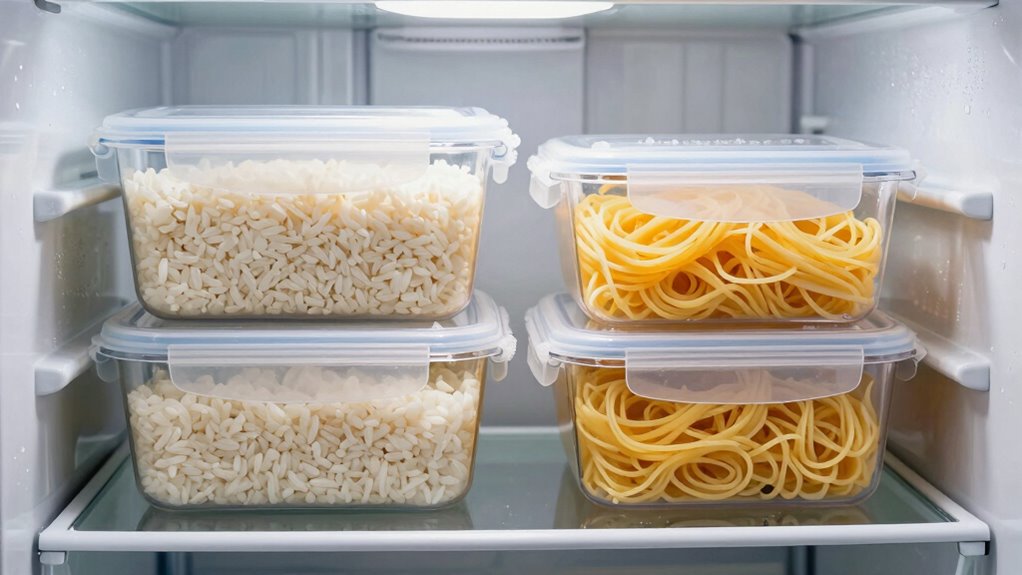
You should store rice and pasta in shallow, airtight containers within two hours of cooking to prevent bacterial growth.
When reheating, you must make certain these starch-based foods reach an internal temperature of 165°F throughout to eliminate any harmful bacteria that may have developed during storage.
Proper handling of rice and pasta requires attention to both cooling and reheating temperatures, as these foods are particularly susceptible to Bacillus cereus contamination.
Proper Storage Techniques
Store rice and pasta properly to prevent bacterial growth and maintain quality. You must cool these foods quickly after cooking, within two hours, to minimize the risk of Bacillus cereus contamination. Transfer them to shallow containers to accelerate cooling.
- Don’t risk your family’s health by leaving rice or pasta at room temperature for extended periods
- Protect your investment in quality ingredients by storing them correctly from the start
- Feel confident knowing proper storage prevents foodborne illness outbreaks
- Create peace of mind for meal planning when you follow evidence-based storage methods
Refrigerate cooked rice and pasta within two hours of preparation. Use shallow containers, no more than two inches deep, to guarantee rapid cooling. This prevents the temperature danger zone where bacteria multiply rapidly.
Store in clean, airtight containers to maintain moisture and prevent contamination. Label containers with dates to track freshness effectively.
Reheating Safety Guidelines
Proper storage techniques form the foundation for safe leftovers, but correct reheating methods guarantee rice and pasta maintain their safety profile when you’re ready to eat them.
You must reheat these foods to at least 165°F internally to kill potential bacteria like Bacillus cereus. Microwave rice and pasta in covered containers with added moisture, stirring halfway through heating. On stovetops, add small amounts of water or broth while warming gently. Always check temperatures with reliable thermometers.
Avoid reheating rice more than once, as repeated temperature cycling increases bacterial growth risks. Pasta follows similar guidelines but tolerates multiple reheatings better. Both require immediate consumption after proper reheating.
Don’t leave reheated portions at room temperature longer than two hours. These practices protect your health while maximizing food safety within your household routine.
Does Vacuum Sealing Help?
Vacuum sealing considerably extends the shelf life of leftovers by removing oxygen that promotes bacterial growth and freezer burn.
You’ll notice your food stays fresher longer because the airtight environment prevents oxidation and moisture loss.
Scientific studies show vacuum-sealed foods maintain quality up to five times longer than conventional storage methods.
- Peace of mind knowing your family eats safer, fresher meals
- Excitement about reducing food waste and saving money monthly
- Confidence in storing meals for busy weeknights without quality loss
- Satisfaction from perfectly preserved flavors and textures
Research confirms that removing oxygen reduces spoilage bacteria growth by up to 99%, making vacuum sealing an evidence-based food preservation method you can trust for healthier, more economical meal planning.
Tools That Preserve Food Longer
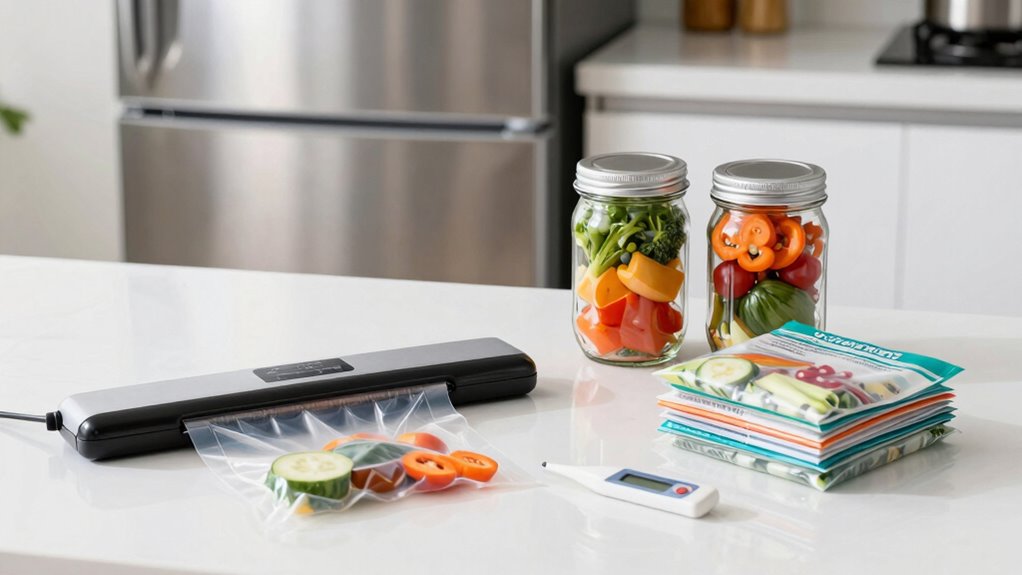
Several essential tools can dramatically extend your leftovers’ shelf life beyond what traditional storage methods offer.
Vacuum sealers remove oxygen, preventing bacterial growth and freezer burn, allowing you to store food up to five times longer.
Food saver containers with airtight lids create protective barriers against moisture and contaminants.
You should invest in quality storage bags designed for long-term freezing, as they prevent ice crystal formation that damages food texture.
Temperature-controlled refrigeration units maintain consistent cold environments that slow bacterial multiplication.
Smart storage containers with built-in indicators track freshness dates automatically.
Proper labeling tools help you rotate stock effectively, ensuring older items get used first.
These preservation tools work together, creating multiple layers of protection that keep your leftovers safe and fresh while reducing food waste considerably.
When to Toss Food Just to Be Safe
While you might hate to throw away food, recognizing when leftovers have crossed the safety threshold prevents foodborne illness and protects your health. Trust your instincts when food looks, smells, or tastes off—that’s your body’s natural warning system working for you.
- Slimy texture on meat, poultry, or vegetables signals bacterial overgrowth that no amount of cooking can eliminate.
- Mold growth appearing as fuzzy spots or discolored patches means harmful toxins have likely penetrated deeper than visible areas.
- Sour or rotten odors emanating from dairy, eggs, or cooked dishes indicate spoilage bacteria have multiplied beyond safe levels.
- Sticky or crystallized surfaces on bread, fruits, or leftovers show microbial activity that compromises food safety.
When in doubt, toss it out—your family’s wellbeing matters more than saving a few dollars.
Conclusion
You’re the gatekeeper of your family’s health when it comes to leftovers. Don’t let time become your enemy—those two hours after cooking are vital. Keep your fridge below 40°F like a fortress against bacteria, and remember that shallow containers cool faster than deep ones. Label everything clearly; dates are your roadmap to safety. Reheat leftovers to 165°F—no shortcuts here. When in doubt, throw it out; your gut isn’t worth gambling with food poisoning.