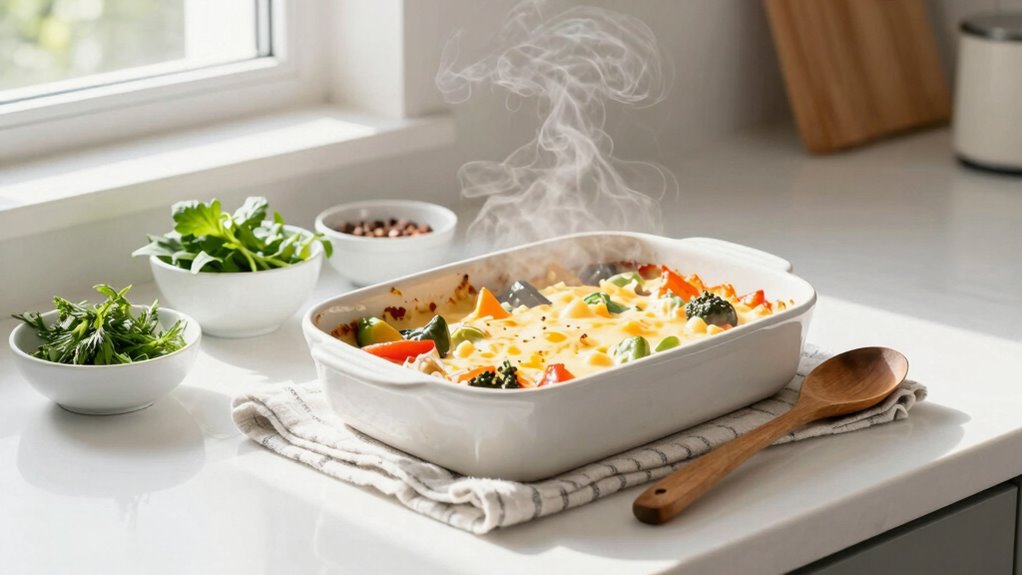
You’ve likely stared at a sink full of pots and pans after cooking dinner, wondering how feeding four people created twelve dirty dishes. What if you could cut that pile in half? Mastering easy cleanup techniques starts with simple shifts—like swapping multiple pans for one sheet tray or choosing recipes that layer ingredients instead of stacking steps. Want to know which tools and methods actually save time without sacrificing flavor?
Why Easy Cleanup Cooking Saves You Time
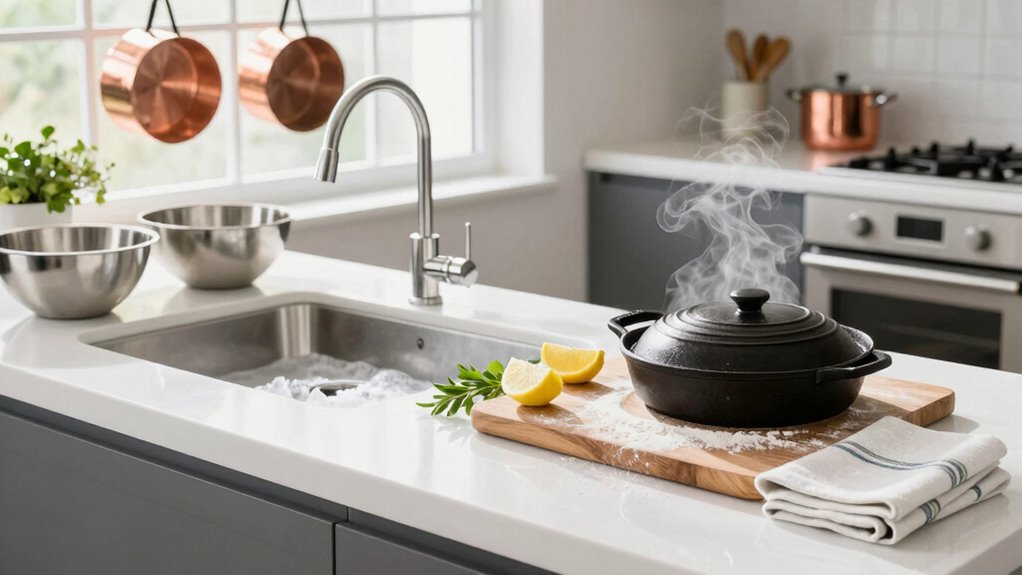
One simple shift in your cooking approach can cut your post-meal workload by half. You streamline your entire process when you plan meals requiring fewer dishes. Multiple pans and utensils create unnecessary complications you can easily avoid.
You save valuable minutes during busy weekdays when you embrace efficient cooking methods. Your kitchen stays organized because you aren’t juggling countless dirty items. The time you reclaim from washing dishes becomes yours to spend elsewhere.
Everyone benefits from this approach, especially those who cook regularly. You reduce stress immediately when you minimize cleanup requirements. Your cooking routine transforms into something sustainable and manageable.
Stop viewing dishwashing as unavoidable. You control how much time you spend cleaning versus enjoying your meal.
Choose techniques that work with your lifestyle and stick to them consistently.
How to Make One-Pot Meals With No Mess
You can master one-pot pasta by combining dried pasta, sauce, and water in a single pan and letting everything simmer together.
Steamy rice bowls come together quickly when you cook rice and vegetables in the same pot with broth instead of water.
Sheet pan chicken dinners require nothing more than seasoning your protein and vegetables, then roasting everything on one pan until perfectly cooked.
One-Pot Pasta Perfection
Three simple steps transform pasta night into a streamlined experience that eliminates post-meal chaos.
First, grab a large pot and combine dry pasta, water, and your chosen seasonings directly in the pot. You don’t need to boil water separately or measure perfectly.
Second, bring everything to a boil, then reduce heat and let it simmer until pasta absorbs most liquid. Stir occasionally to prevent sticking.
Third, add your sauce, cheese, or vegetables directly to the pot during the final minutes of cooking. Everything melds together beautifully.
You’ll use one pot, one utensil, and create minimal cleanup. Your kitchen stays tidy while you enjoy restaurant-quality pasta dishes at home.
This method works every time.
Steamy Rice Bowl Magic
Steamy rice bowls follow a similar one-pot approach that simplifies both cooking and cleanup.
You start with aromatics in your pot, then add rice and broth. Everything cooks together until the liquid absorbs completely. You’re not washing multiple pans or straining separate components. The result is perfectly seasoned rice that absorbs all the flavors.
Add protein and vegetables directly to the pot during the final cooking stages. Season once, and you’re done. This method eliminates guesswork and reduces dishes to just one pot plus utensils.
Your kitchen stays cleaner, and you spend less time scrubbing. The technique works consistently every time.
You’ll find yourself returning to this efficient approach because it delivers reliable results without the usual kitchen chaos.
Sheet Pan Chicken Dinners
One sheet pan transforms chicken dinners into effortless one-pot meals. You line it with parchment, add seasoned chicken, and surround it with chopped vegetables.
Everything cooks together at 425°F for twenty minutes. The chicken stays juicy while vegetables caramelize perfectly. You season once, flip halfway, and finish with fresh herbs.
Cleanup means wiping one pan instead of scrubbing multiple dishes. These meals feed four people without leftover prep mess.
Try lemon-garlic chicken with broccoli, or honey-mustard thighs alongside sweet potatoes. You master timing, temperature, and seasoning combinations that work.
Everyone gathers around the same pan, sharing food without sharing dirty plates. You simplify dinner stress while building kitchen confidence systematically.
Best Cookware for Effortless Cleanup
You should consider non-stick surfaces that prevent food from sticking and make cleanup quick.
Your cookware choices include materials like stainless steel and cast iron that last longer than basic aluminum options. These surfaces and materials work together to reduce your cleanup time greatly.
Non-Stick Surface Benefits
While non-stick surfaces might seem like a luxury, they dramatically reduce cleanup time by preventing food from adhering to cookware. You simply wipe away residue instead of scrubbing stubborn bits.
These surfaces eliminate the need for excessive oil during cooking, creating healthier meals while saving you effort. Food releases cleanly, leaving minimal sticking or burning. You spend less time washing dishes and more time enjoying meals.
Non-stick cookware works efficiently for eggs, pancakes, and delicate foods that typically stick. You can use minimal water and mild soap for cleaning. This technology helps you maintain cleaner cookware with basic care.
Your dishes stay pristine longer, reducing replacement costs. You’ll appreciate how non-stick surfaces streamline your entire cooking process, making meal preparation smoother and cleanup effortless every time.
Durable Material Options
When selecting cookware for easy maintenance, stainless steel and cast iron deliver exceptional durability.
You’ll appreciate how stainless steel resists staining and won’t react with acidic foods. Clean it quickly with simple soap and water.
Cast iron develops natural non-stick properties through seasoning, requiring minimal cleanup effort. Both materials withstand high temperatures without warping.
You should avoid aluminum and copper if easy cleaning matters most. These materials scratch easily and often need special care.
Stainless steel handles heat efficiently while remaining dishwasher safe. Cast iron retains heat beautifully and cleans effortlessly when properly maintained.
Your kitchen deserves reliable cookware that simplifies your routine. These durable options eliminate constant replacement worries.
You’ll feel confident cooking knowing your pans can handle anything.
How to Cook Full Meals on One Pan
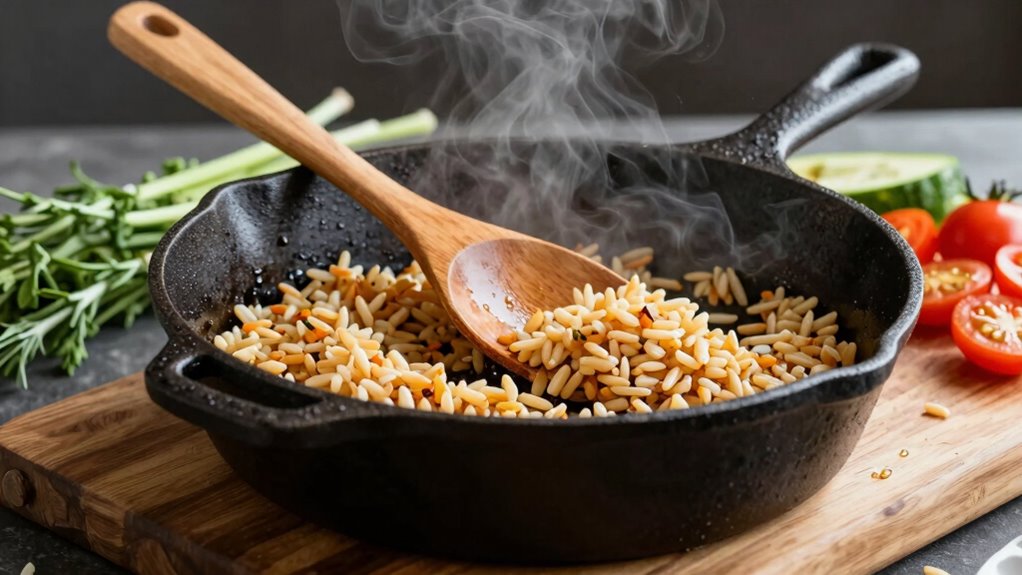
One pan meals streamline your cooking process by letting you prepare proteins, vegetables, and grains simultaneously without sacrificing flavor. You start by heating your pan over medium-high heat, then sear your protein first. Remove it temporarily while you add aromatics like garlic or onions.
Return the protein to the pan, add vegetables that cook quickly, and nestle grains or potatoes around the edges. Everything cooks together, absorbing shared flavors while you minimize cleanup.
Season deliberately but simply—salt, pepper, herbs that complement everything present. Stir occasionally, let ingredients develop color and texture.
This method works whether you’re making chicken with roasted vegetables and rice or fish with seasonal produce. You’re cooking smarter, not harder, creating meals that taste connected and intentional while keeping your kitchen clean.
How Liners Can Save Your Pots and Pans
Liners protect your cookware from stubborn stains and buildup that often result from one pan cooking methods. You simply place parchment paper, foil, or silicone liners in your pans before cooking.
These barriers prevent food from sticking directly to surfaces, making cleanup effortless. Liners work especially well with acidic ingredients that typically stain metal surfaces. You can use them for baking sheets, muffin tins, and even skillet cooking.
Disposable options like parchment and foil toss away after use. Reusable silicone liners offer eco-friendly alternatives. Liners help maintain your cookware’s appearance and longevity.
You’ll spend less time scrubbing and more time enjoying meals. Your pans stay cleaner, and you reduce replacement costs over time.
Top Tools for Easy Cleanup Cooking
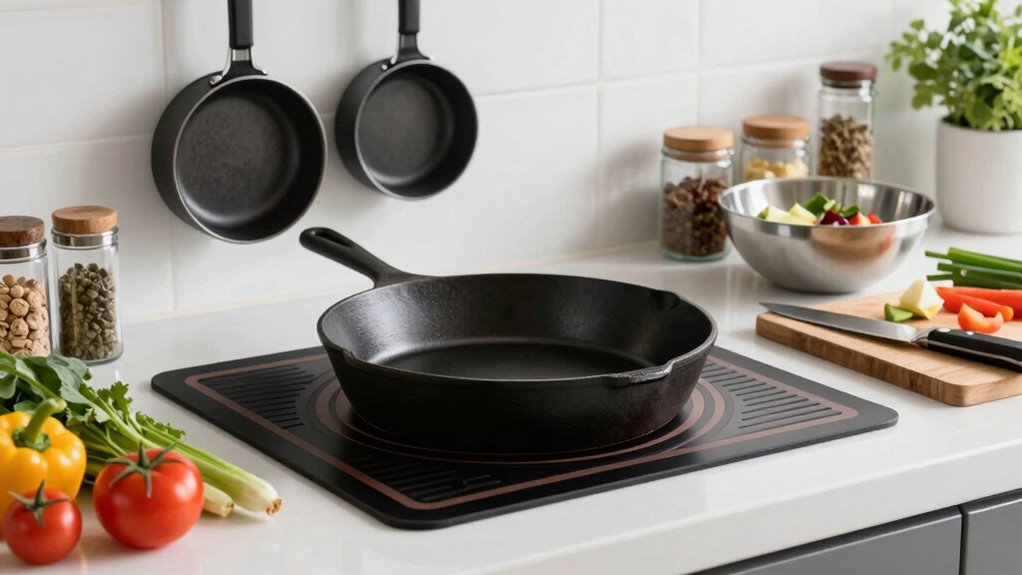
While parchment paper and foil liners help prevent mess in your pans, having the right cleaning tools makes quick work of any residue that does accumulate.
You need a good scrub brush with stiff nylon bristles for tough stuck-on food. Microfiber cloths work better than regular sponges for wiping surfaces clean. Keep a degreasing cleaner handy for oily residues. A wooden spoon scraper removes pan buildup without scratching non-stick coatings. Don’t forget steel wool pads for stubborn baked-on messes. Rubber gloves protect your hands during cleanup.
Store these tools together under your sink for easy access. Having the proper equipment makes you feel prepared and confident in your kitchen routine. These basics create efficient cleanup habits that save time and effort.
Prep Smart to Avoid Mid-Cook Splatter
Smart preparation prevents messy cleanup battles. You should organize ingredients before heating oil or water.
Chop vegetables over cutting boards with raised edges to contain juices. Measure liquids carefully to avoid overflow during cooking. Position pans securely on burners before turning heat on.
You’ll want to use splatter screens when frying or sautéing oily foods. Keep a damp towel nearby to wipe spills immediately. Arrange your workspace systematically so everything stays contained.
Don’t overcrowd pans because this causes splashing. You should also preheat pans properly to prevent oil from smoking and splattering. Cover pots partially when boiling liquids.
These simple prep habits eliminate most mid-cook messes before they start, keeping your kitchen cleaner while you cook.
Surprisingly Simple Recipes That Don’t Dirty Dishes
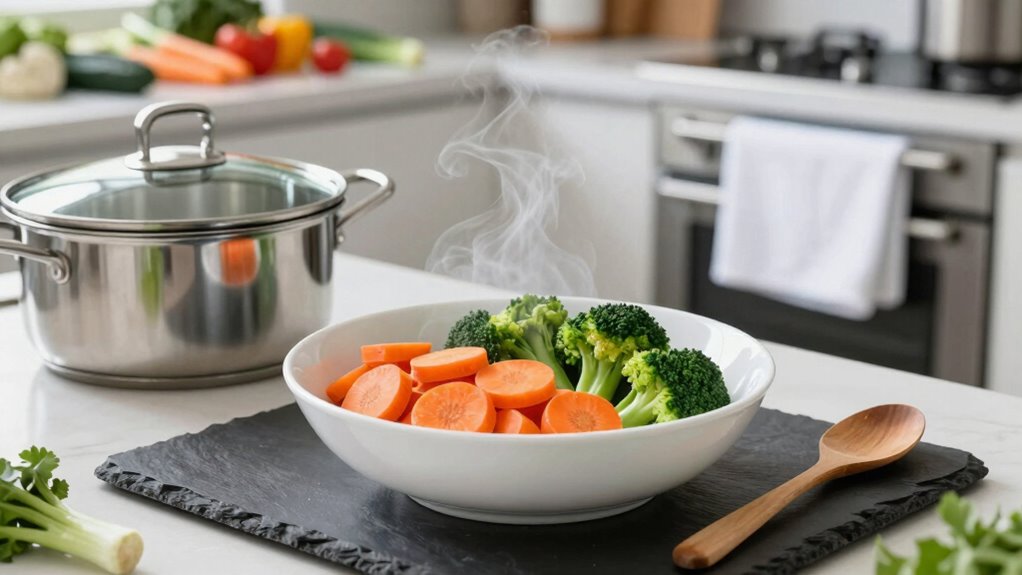
Why not choose recipes that minimize cleanup from the start? You’ll save time and energy while cooking smarter.
Focus on one-pot meals like pasta with everything cooked in the same pan. Try sheet pan dinners where protein and vegetables roast together. Use your slow cooker for hands-off cooking that needs minimal cleanup.
One-bowl salads and smoothies eliminate multiple dishes. Cook rice or quinoa in the same pot you’ll serve it from. Choose recipes that use fewer ingredients and simpler techniques.
You belong in this efficient cooking community where less dishes mean more time enjoying your meal. These streamlined approaches make cooking enjoyable rather than intimidating.
Soak or Scrub: When to Use Each
Knowing when to soak and when to scrub makes cleanup faster and more effective.
You should soak dishes with stuck-on food, grease, or burnt residue. Let them sit in warm, soapy water while you finish cooking. This loosens debris naturally.
Scrub immediately for lightly soiled items like plates with sauce or vegetables bits. Use your sponge or brush right after use before food hardens. Sticky substances like egg or cheese require soaking first.
Cast iron pans need immediate scrubbing to prevent seasoning damage. Non-stick surfaces benefit from gentle soaking instead of aggressive scrubbing.
Your grandmother knew this secret: soak the stubborn messes, scrub the simple ones. You belong in that same tradition of smart, efficient kitchen work.
Master this distinction and you’ll spend less time cleaning.
Conclusion
You’ve mastered one-pot wonders and liner tricks, but what’s the one secret ingredient that transforms cleanup from chore to breeze? The answer might surprise you. Hint: it’s not another gadget, but a simple technique you’ve probably overlooked. Ready to discover how a two-minute habit can eliminate scrubbing forever?