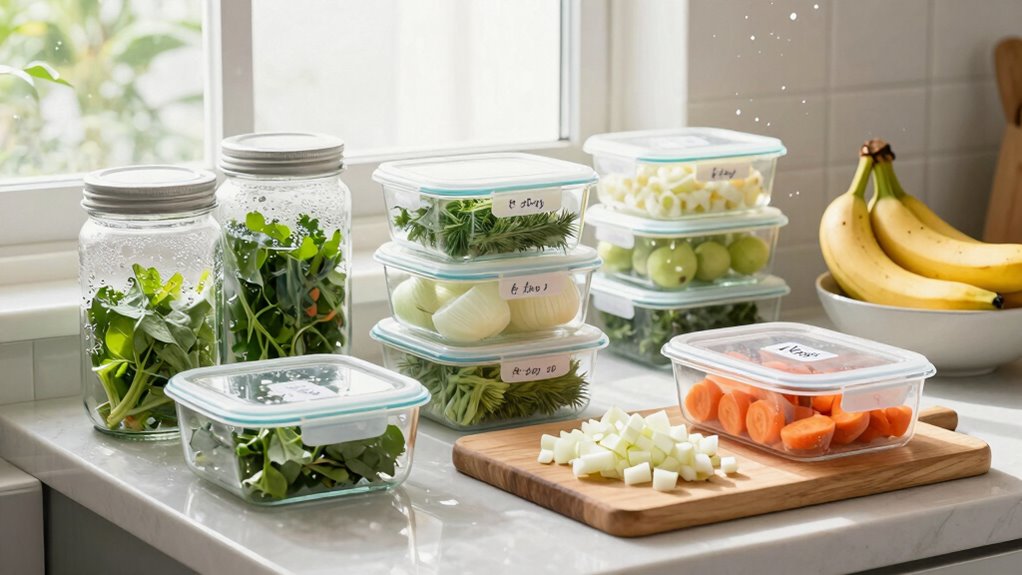
You probably throw away more food than you realize, especially if you live alone or with just one other person. Small households often struggle with portion control and meal planning, leading to spoiled produce and unused ingredients. But there are simple, practical steps you can take to minimize waste without changing your entire routine. Start by taking control of what’s already in your kitchen.
Take Stock First: Know What’s Already in Your Fridge
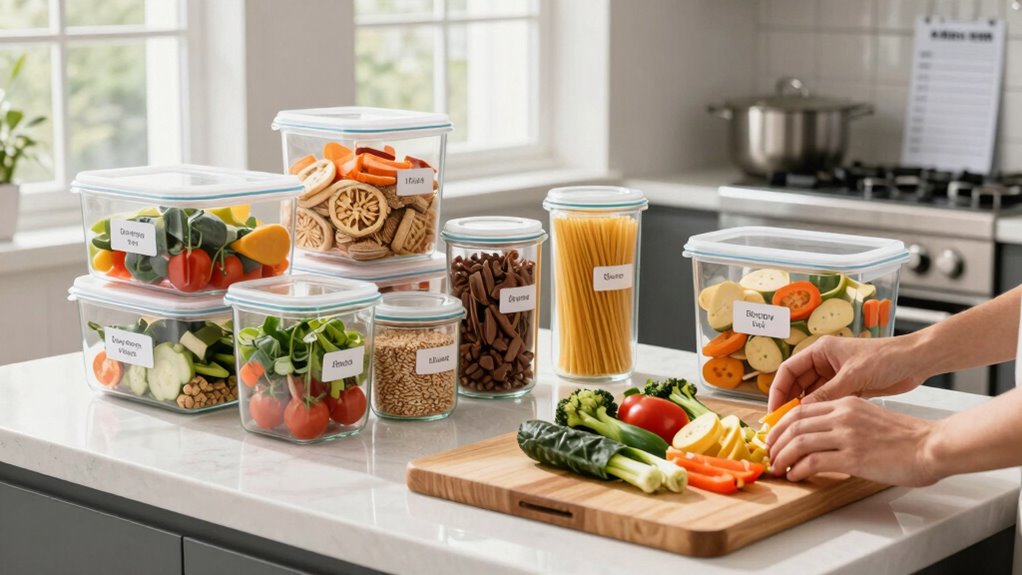
Before you head to the grocery store, take a few minutes to inventory what’s already in your refrigerator.
You’ll save money and reduce waste by knowing exactly what you have. Pull out items that are nearing expiration and plan meals around them. Check your produce drawer for vegetables that need using soon.
Scan through condiments and pantry staples you might’ve forgotten about. This simple habit prevents duplicate purchases and helps you make the most of what you already own.
When you know your inventory, shopping becomes more intentional. You’ll feel more connected to your kitchen and cooking routine. Taking stock weekly creates a sustainable rhythm that works for small households.
You’re not just organizing; you’re building awareness about your consumption patterns. This practice helps you feel more in control of your food spending while contributing to environmental sustainability.
Use Leftovers Creatively Before They Spoil
When you have leftovers sitting in your refrigerator, don’t let them languish until they spoil. Transform yesterday’s roasted chicken into today’s chicken salad or soup.
Those wilting vegetables work perfectly in frittatas or stir-fries. Cooked grains like rice and quinoa become fried rice or grain bowls with added vegetables and protein.
You’re not just saving money; you’re joining countless others who make smart use of what they already have. Mix leftover mashed potatoes into pancakes for breakfast.
Blend overripe fruits into smoothies or bake them into muffins. Create “kitchen sink” meals using whatever needs using.
Small households especially benefit from this approach since you’re not buying in bulk. You’re part of a community that values resourcefulness and sustainability.
Every creative use of leftovers matters.
Store Produce and Pantry Items the Right Way
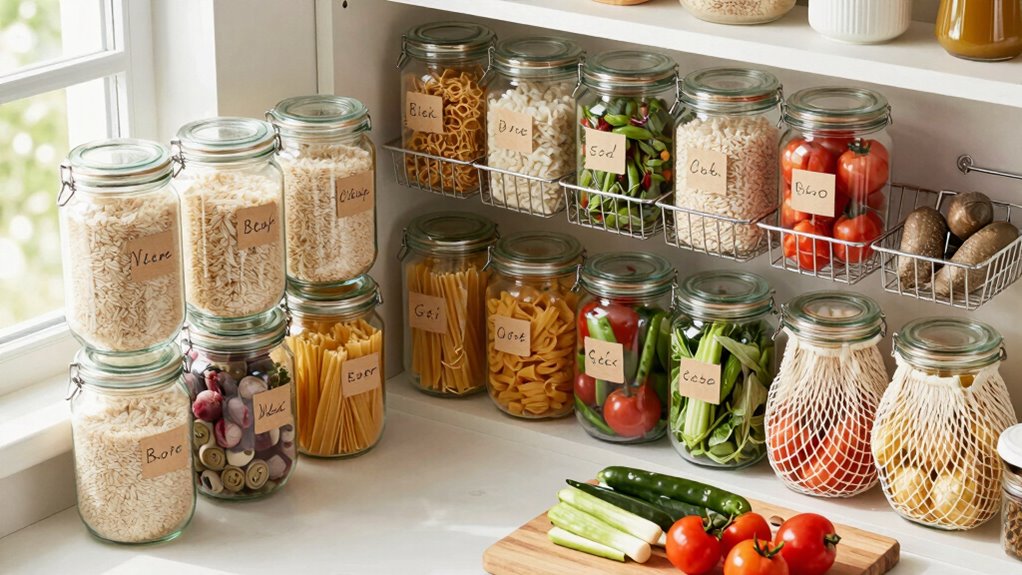
Proper storage extends the life of your produce and pantry staples, so you’ll spend less money and reduce waste.
You should store leafy greens in damp paper towels inside plastic bags in the fridge. Keep onions and potatoes in cool, dark places, but separate from each other.
Store tomatoes stem-side down at room temperature until ripe, then refrigerate.
Bread stays fresh longer in the freezer, so slice what you need and freeze the rest.
Transfer dry goods like rice and pasta to airtight containers to prevent pests and moisture damage.
Label everything with dates so you use older items first.
These simple steps help your food last longer while building sustainable habits that benefit both your wallet and the environment.
Shop Mindfully Based on Real Meal Needs
Because meal planning directly impacts how much food you throw away, shopping mindfully becomes essential for reducing household food waste.
You should create a weekly meal schedule before visiting the store, focusing on recipes that use overlapping ingredients. Check your pantry first to avoid buying duplicates.
Stick to your shopping list and resist impulse purchases, especially bulk deals on items you don’t regularly consume. Buy smaller portions of fresh produce that spoils quickly, and choose imperfect fruits and vegetables when possible.
Consider your household’s actual eating patterns – if you rarely cook elaborate meals, don’t stock exotic ingredients. Shopping with purpose helps you save money while protecting the environment, creating sustainable habits that fit your lifestyle and values.
Track Expiry Dates With Smart Tools & Labels
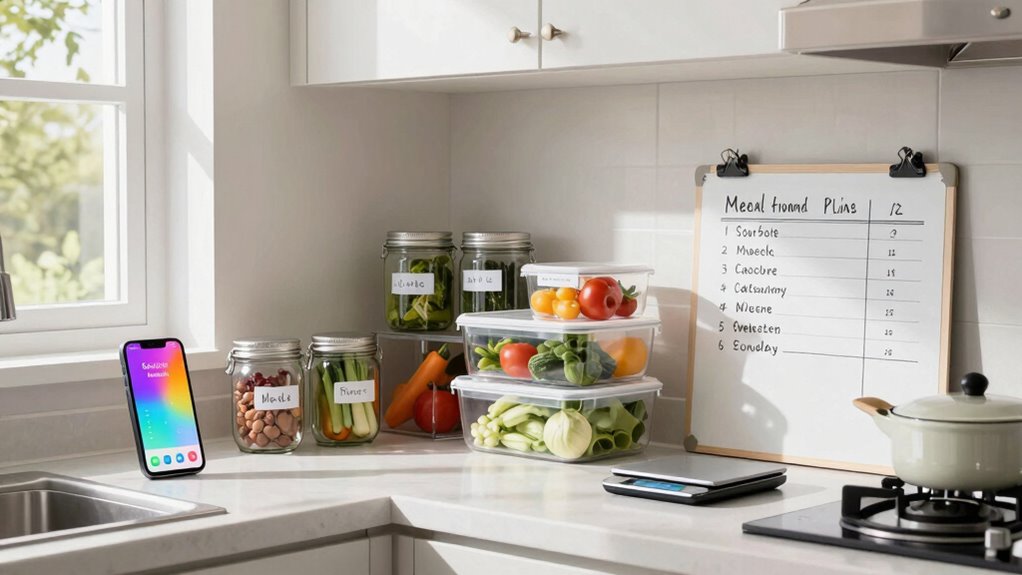
A simple system for tracking expiration dates can dramatically reduce the amount of food your household wastes. You should label items immediately when unpacking groceries, using permanent markers on containers or bags.
Smart apps like “FoodKeeper” or “Fridgefriend” help you monitor expiration dates digitally, sending timely reminders before food spoils.
Rotate older items to the front of your fridge and pantry, applying the “first in, first out” principle.
Color-coded labels work well for different expiration timeframes – red for immediate use, yellow for soon, green for later.
You’ll find that consistent labeling becomes habit quickly, making waste reduction feel manageable. These tools create visibility into what needs consuming, helping your household make better use of purchased food while saving money.
Conclusion
You’ve got this! Reducing food waste isn’t about perfection—it’s about progress. Think of your kitchen as a garden where every ingredient has potential. Start small: check your fridge tonight, plan one creative leftover meal this week, and watch how these simple habits grow into something bigger. Your wallet, your health, and the planet will thank you.